
More Than a History: Immerse Yourself in the Living Heart of Nubian Culture
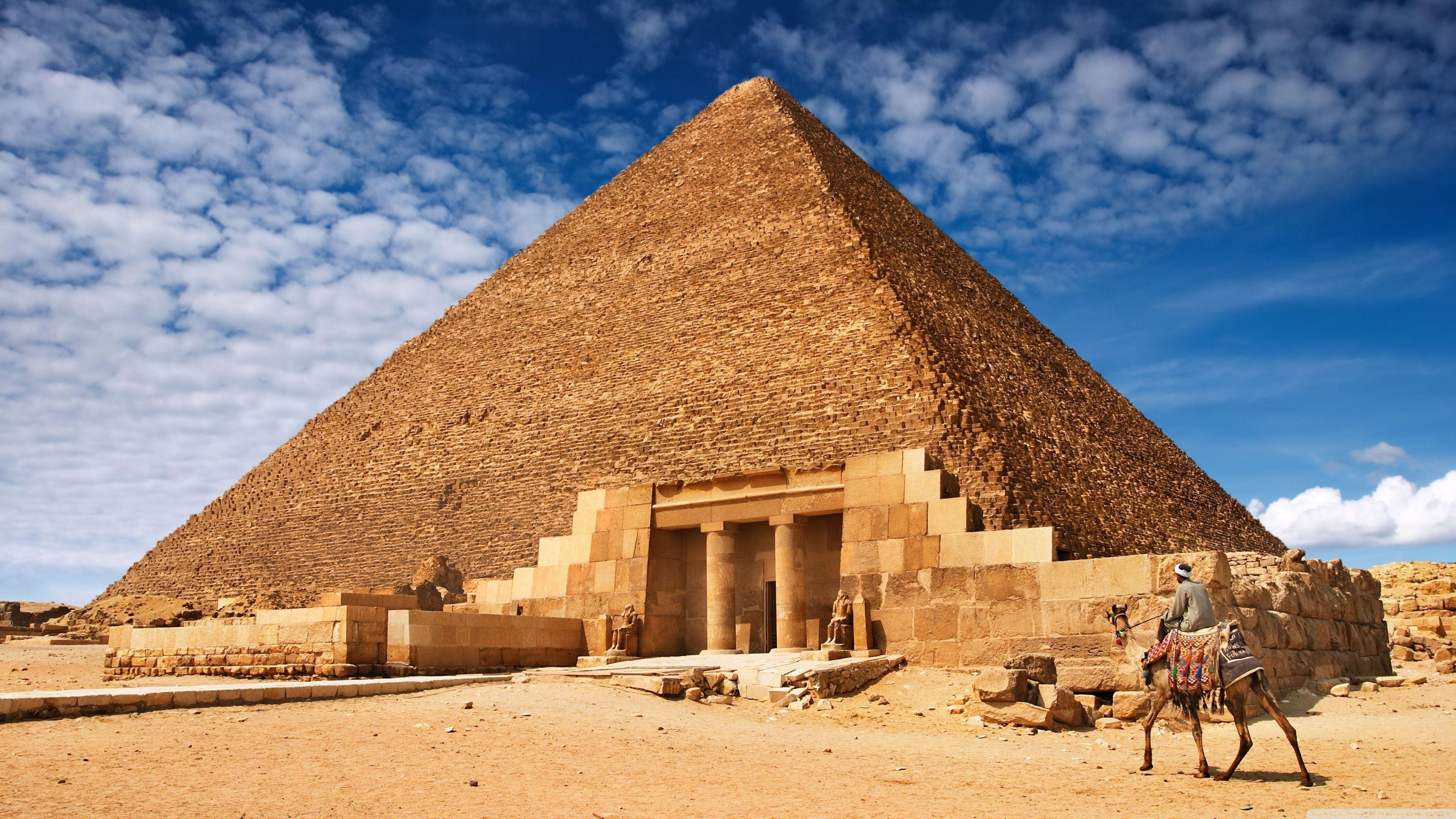
When we think of ancient Egypt, our minds go to the pharaohs and their monumental pyramids. But just to the south, flourishing along the banks of the Nile for millennia, is a civilization equally as rich, resilient, and radiant: the Nubians. To experience Nubian culture is not just to learn about the past; it is to be welcomed into a vibrant, living community whose music, art, and unwavering spirit are as powerful as the sun that warms their land.
This is an invitation to look beyond the temples and discover the soul of Upper Egypt and Sudan—the soul of the Nubian people
A Legacy of Kings and Kingdoms
Nubia is not a footnote in Egyptian history; it is a parallel saga of mighty empires. This was the land of Kush, a kingdom so powerful it once conquered and ruled Egypt as the 25th Dynasty, the "Black Pharaohs." The stunning temples at Gebel Barkal and the mysterious, steep-sided pyramids at Meroe in Sudan stand as breathtaking testaments to their architectural genius and imperial might. Nubians were warriors, traders in gold and ivory, and devout worshippers of their own pantheon of gods, alongside Egyptian deities like Amun.
The Colors of Home: Architecture and Art
The most immediate delight for any visitor is a Nubian village. It is a symphony of color. The traditional houses, often built from mud-brick, are painted in stunning, vibrant hues of blue, yellow, and green. These are not just for beauty; the colors are believed to ward off evil spirits and keep homes cool.
The walls are adorned with intricate geometric patterns and symbols, and the courtyards are clean, swept spaces shaded by palm trees. Stepping into a Nubian home is like stepping into a living gallery of folk art, a tradition of joy and welcome passed down through generations.
The Soundtrack of the Nile: Music and Language
Nubian culture is kept alive through its soulful sounds. The beat of the daff (a large drum) and the rhythms of the tar (a frame drum) are the heartbeat of Nubian celebrations. The music, led by instruments like the kisir (a stringed instrument similar to a lyre), is deeply emotional, often telling stories of love, loss, and the longing for their ancestral homeland.
This leads to the most poignant chapter in modern Nubian history: Displacement and Resilience. After the construction of the Aswan High Dam in the 1960s, much of Old Nubia was forever submerged under Lake Nasser. Tens of thousands were relocated. Their music and their unique language, which is not derived from Arabic, became vital vessels for preserving their identity, culture, and memory of a lost land.
Warmth and Welcome: The Nubian Spirit
If there is one thing every traveler remarks upon, it is the profound hospitality of the Nubian people. A visit often includes a cup of sweet, spicy tea, a taste of homemade bread, and genuine conversation. This warmth is encapsulated in their concept of "Baraka," a blessing or divine grace that is shared through generosity and good deeds.
How to Experience Nubian Culture Responsibly
A trip to Aswan is your gateway to this incredible culture. Here’s how to have an authentic and respectful experience:
- Visit a Nubian Village: Cross the Nile to the west bank and explore villages like Gharb Soheil or Siou. You can arrange a visit through a local guide for a more personal experience.
- Share a Meal: Try traditional Nubian food like fatta, a celebratory dish of rice, bread, and lamb in a garlic vinegar sauce, or tagilla, a bread baked in the sand.
- Listen to the Music: Seek out a Nubian musical performance. The energy is infectious, and it's a window directly into the soul of the culture.
- Support Local Artisans: Buy beautiful, handmade Nubian crafts—beaded jewelry, woven baskets, and colorful textiles—directly from the artists.
- Visit the Nubian Museum in Aswan: This world-class museum is a must-see. It beautifully chronicles the history, art, and culture of Nubia from prehistoric times to the present day, honoring both its ancient glory and its modern resilience.
An Unforgettable Encounter Awaits
To engage with Nubian culture is to understand that the greatest monuments are not always made of stone. They are made of spirit, rhythm, and color. They are found in the strength of a community that has endured displacement and the joyful welcome they extend to strangers.
It is a profound, humbling, and joyous part of any journey to Egypt. Don't just see the stones; meet the people.
Are you ready to be welcomed by the heart of Nubia? Contact us to include an authentic cultural experience in your next journey to Aswan.
Your Travel Journey Starts Here
Social Media